








Smart glasses make most sense if you want hands-free photographs, audio and quick assistance while keeping your phone in your pocket. They make less sense if you mainly want a screen in front of your eyes. Before paying for another connected accessory, decide which everyday task it would actually replace.
Start with what you would use
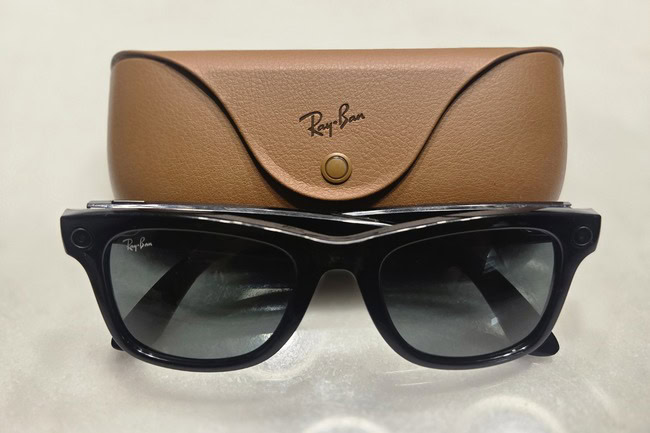
Ray-Ban Meta combines eyewear with cameras, microphones and speakers, with features depending on the model and market. That can mean recording a short moment without holding a phone, listening to audio or making a call. A regular pair of camera glasses is not automatically a display headset. Check the exact product rather than borrowing expectations from a different model bearing the same brand.
Try the frame before the features
These are glasses you have to enjoy wearing. Check the fit at the nose and temples, lens options and how the frame feels after more than a quick mirror check. If prescription lenses matter, include them in the comparison. A clever camera is little compensation for eyewear you keep taking off.
Understand the camera light
The visible capture light signals photo or video recording, but do not assume it signals every possible camera-related AI use. Ray-Ban distinguishes between recording for a gallery and some visual AI functions on newer models. Ask before capturing people, particularly in a private setting. The CNIL’s analysis explains why wearable cameras create questions for those around the wearer as well as the owner.
Check the features where you live
AI services, languages and availability can differ by country and change with software. For a Belgian purchase, confirm the features available to your account and phone, then compare charging, connectivity and return conditions. Choose a pair for two or three jobs you genuinely want it to do. That is a more useful test than whether it looks like the future.
Read more
Is your phone actually listening to you · More technology
Make more of life in Belgium. Subscribe to the Together newsletter.