







If your Dutch feels stuck, try the same errand twice in Brussels and compare what you understood. On the first visit, write down the question that caught you out. On the second, judge progress by whether you can answer it, even if the rest of the conversation still feels difficult.
Decide what success sounds like
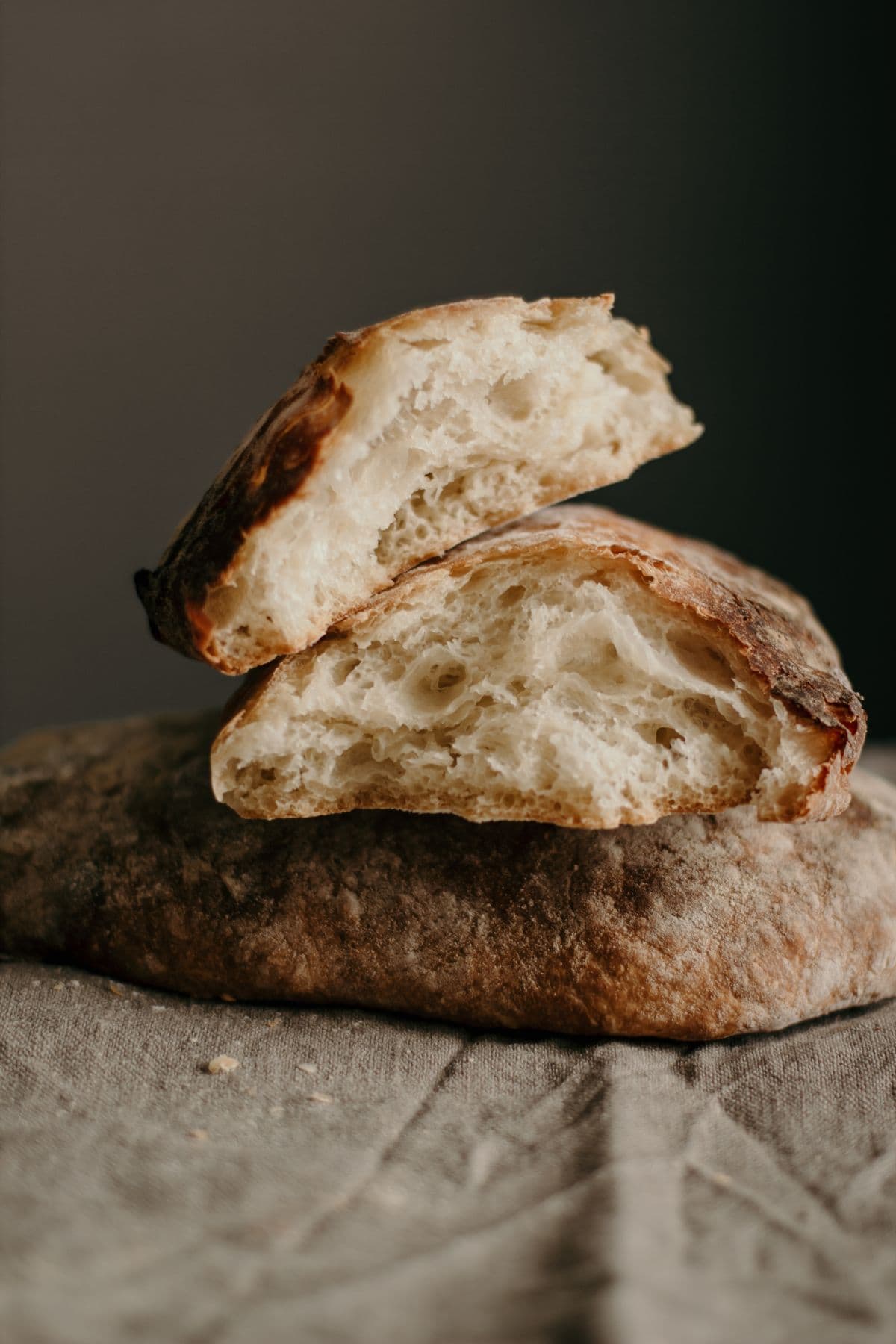
“Speak better Dutch” will not tell you whether Tuesday went any better than Monday. “Understand whether the baker is asking about slicing the loaf” gives you something to listen for. Before you leave, write the question you want to ask, plus a polite way of asking someone to repeat themselves.
Pick a quiet moment. The person behind the counter is there to serve customers and can decide how much time they have.
The Council of Europe’s language self-assessment grid separates taking part in a conversation from speaking on your own. That distinction helps here. You might order a loaf easily, yet still lose the thread when the baker asks a question.
Keep one line of evidence
Once outside, note the first point where the exchange went differently from your rehearsal. Perhaps you had the right noun but missed the question about quantity. Perhaps the conversation switched languages and you still managed to thank the person in Dutch.
Write down the piece you want to recognise next time. For example, your first note might read, “I asked for a loaf. When the baker held up the bread knife, I understood the question.” On your return visit, notice whether you understand the question before you see the knife. That gives you two observations you can actually compare.
Change one detail on the return visit
Order the same item in a different quantity, or ask a follow-up question after an otherwise familiar purchase. If the queue is long, leave the experiment for another day. Success might be catching one extra word or recovering after a misunderstanding.
Compare those two actual visits before deciding that progress has stopped. Perhaps you understood the same words both times but needed less help to reply. Count that too. If you would prefer to try the exchange with someone who has set aside time to practise, Huis van het Nederlands Brussel lists conversation groups and helps learners find a Dutch-speaking partner.
Further reading in Together
- How to Practise Dutch in Brussels in 15 Minutes
- A 20-Minute Weekly Goal Review for Life in Belgium
- Why Confidence Changes From Day to Day, and What Helps
Subscribe to the Together newsletter for more stories from Belgium.