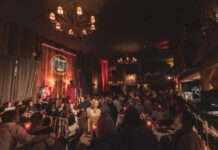





Some 216, 000 people took part in Brussels Pride on Saturday 16 May, with the streets of the capital awash with the colours of the rainbow.
This year’s event marked the 30th anniversary of this celebration of diversity in Brussels.
Three decades of advocacy and raising the profile of the LGBTQIA+ community.
This year, RainbowHouse Brussels chose the theme ‘When Times Get Darker, We Shine Brighter’, a powerful and unifying slogan, more pertinent than ever in today’s uncertain global climate.
Brussels Pride – in the capital of Europe – is an opportunity for citizens, intellectuals and activists to champion the causes of the LGBTQIA+ community and kickstart new political discussions.
For 30 years, it has been shining a light on those who are often overlooked, who are fighting for their right to safety, healthcare, family life and protection, alongside the advancement of rights for all.
After an open discussion with activists and organisations coordinated by RainbowHouse Brussels, the theme of Brussels Pride, was unveiled as ‘When Times Get Darker, We Shine Brighter’ – a powerful and unifying slogan, more pertinent than ever in today’s uncertain global climate in which the rights of LGBTQIA+ people are still too often challenged.
During Brussels Pride Week, associations alongside activist and artistic collectives offered a rich programme of events at various venues, including Les Grands Carmes and RainbowHouse Brussels.
Over the course of ten days, a host of concerts, screenings, performances and workshops were put on for the public. Several cultural centres in the Brussels-Capital Region also proposed inclusive programming.
On Friday 15 May, the public turned out in force for Pride in XL, a new festive and socially conscious event organised by the commune of Ixelles on place du Luxembourg.
By organising this event, the commune made a clear statement that it rejects the rollbacks of LGBTQIA+ rights being seen across Europe and chooses to make public spaces a place of visibility, mobilisation and pride.
On Saturday, the Pride March – the highlight of Brussels Pride – took to the streets of the capital, led by the Brussels Pride float, with participants chanting the event’s theme loud and clear. It was then the turn of allied artists and DJs, along with members of the community, to light up the Mont des Arts.
Both on stage and at partner cultural institutions, LGBTQIA+ culture was celebrated in style. To ensure everyone could enjoy the event in the best possible conditions, Brussels Pride set up the Safer Pride initiative, which ran throughout the day.
A Safer Zone was established at a strategic location on Mont des Arts and was staffed by volunteers and trained professionals who were on hand to lend a sympathetic ear and provide psychological, social or medical support where needed. A mobile Care Team was also deployed around the Pride event area.
This vital initiative was organised with the support of Solidaris and was the result of collaboration between Plan SACHA (Safe Attitude Against Harassment and Assault); Modus Fiesta (prevention of the risks associated with drug use through information and promoting responsible consumption); Sex&CO; RainbowHouse Brussels and the teams at visit.brussels.
A Kids Zone was also set up to enable parents to look after their children in a safe and peaceful environment.
The festivities continued late into the night, bringing the capital’s various venues to life, from the Mont des Arts stage to Pride Village, via the DJ sets and performances at Brussels Rainbow Village (in the Saint-Jacques district), and the many parties celebrating the richness and diversity of Brussels’ queer scene. Brussels Pride is an opportunity to celebrate diversity while affirming the need to defend and advocate for LGBTQIA+ rights to make society more inclusive and equal.
Beyond its festive nature, Brussels Pride is a time to champion the community’s rights and causes and to spark new political debate.
Throughout the year, around a hundred partners, federations, associations and artists help to champion the cause of a more open and tolerant society.