






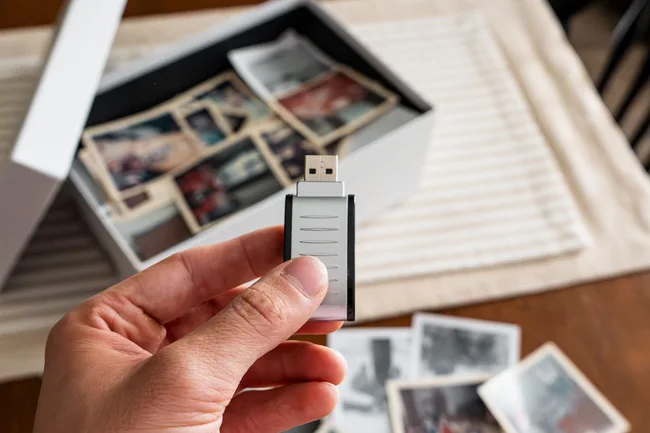
Invite each participant to choose the detail they want remembered: the shop key, the window seat, the apron that belonged to someone else. Ask them to approve the photograph and caption together before the book goes to print.
Let the sitter set the boundaries
Photographer Innis Casey’s Quartraits grew from portraits made through windows in Los Angeles during the restrictions of March 2020. His account of the project describes a particular place and moment. A neighbourhood book today needs its own question.
Try “What object would you miss if you moved tomorrow?” The answer could be a bicycle key, a chipped cup or a child’s drawing. A portrait can show just the object if its owner prefers.
Make the caption together
Take a test picture and let the participant decide what should stay outside the frame. A street number, a school badge or a face in a family photograph can reveal more than either of you intended. Ask how they want to be named.
Write down their explanation of the object, then read it back. Someone can like a photograph while disliking the story the caption tells about them.
Choose the audience before the printer
A book shared among six households is a different proposition from a gallery display or an online slideshow. Agree on the intended audience and obtain permission for that use. Send each person their complete page while changes are still possible.
Give them a date for replying and leave an unapproved page out. When the copies arrive, give contributors a chance to see the whole book together. The most interesting discovery may be the ordinary object that two neighbours chose for completely different reasons.
Further reading in Together
- Photo books: Quartraits – Portrait of a Community in Quarantine
- Brussels Libraries: How to Borrow Books and Find a Place to Read
- How to Make New Friends
Subscribe to the Together newsletter for more stories from Belgium.