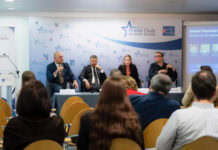







The European Spa Association (ESPA) brought together policymakers, health experts, researchers and tourism stakeholders at the Press Club Brussels Europe for a briefing on the future of health, tourism and longevity in Europe.
The discussion, on 30 September, was timely as it came just after World Heart Day.
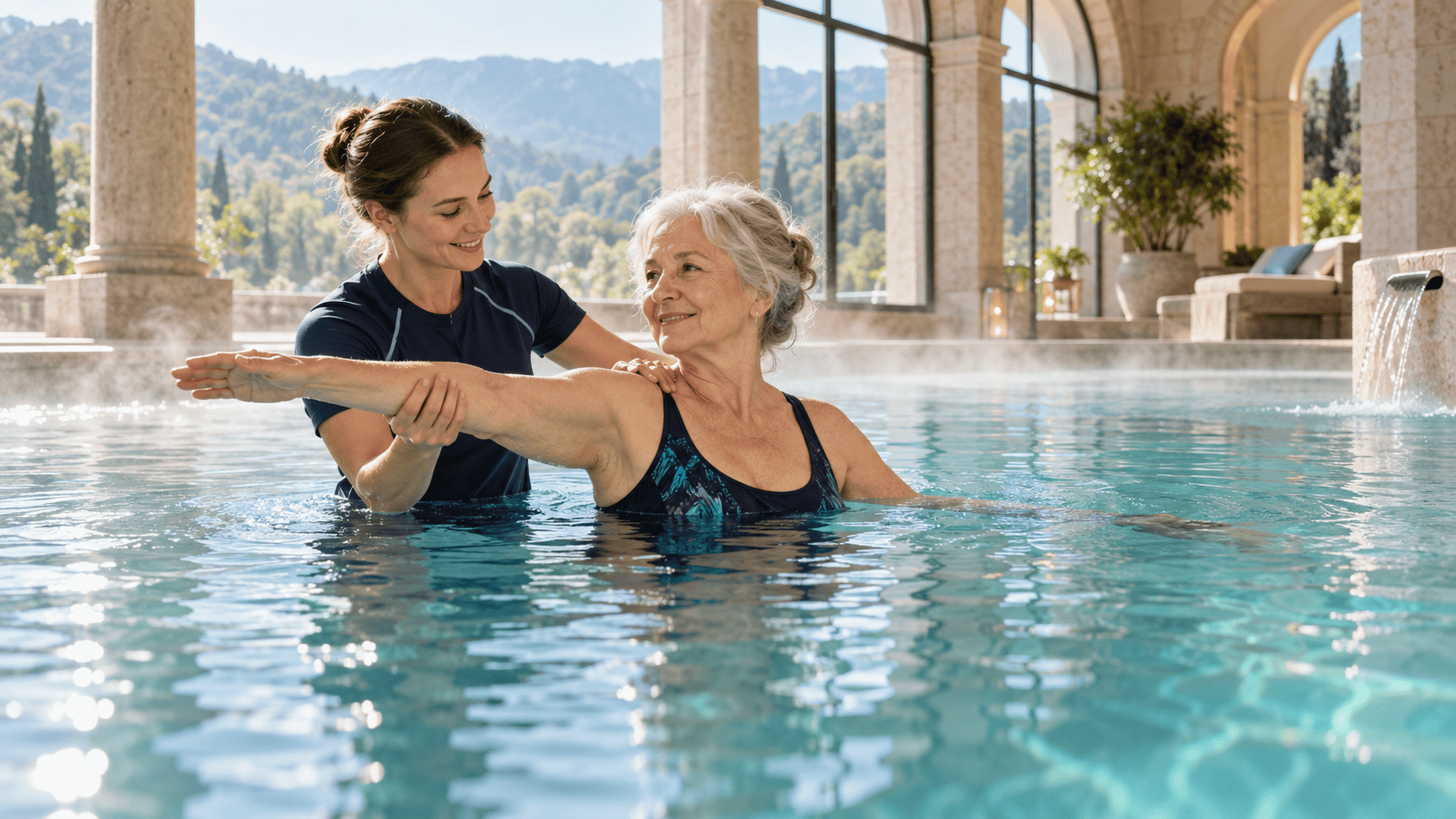
A lively debate examined how medical spas, natural therapeutic resources and climate-based treatments could contribute to prevention, active ageing and rehabilitation. It also addressed the research and cooperation needed to strengthen their place within Europe’s evolving health agenda.
A keynote speaker, Associate Professor Dr Milena Angelova, the European Economic and Social Committee’s rapporteur on the EU Life Sciences Strategy, addressed prevention and active ageing within the life sciences agenda.
Her contribution considered the role that natural therapies could play in supporting resilience and complementing health systems, alongside the need for a stronger evidence base.
Daniel Attard, a Maltese Socialist MEP, presented the European Parliament’s perspective on sustainable tourism. He explored the links between healthy ageing, wellbeing tourism and destination development, drawing attention to Malta’s approach to health and healthy ageing as a potential European example. Parliament adopted his report on destination management and regional tourism growth in April 2026.
Another speaker, Elisabeth Kotthaus, Head of the Tourism Unit at the European Commission’s Directorate-General for Mobility and Transport, addressed tourism’s place in Europe’s wellbeing economy.
Her contribution examined opportunities for sustainable tourism throughout the year, including climate-based destinations and natural health assets, and their connections with mobility and regional development.
The briefing also featured country perspectives from France, Italy, Romania, Hungary and the Netherlands, reflecting the diversity of approaches to thermal medicine, balneology and other natural therapies across Europe.
The Brussels Declaration identifies Europe’s thermal and mineral waters, therapeutic muds, natural gas treatments, marine and mountain climates, and spa traditions as strategic health assets. It calls for medical spas and climate health resorts to be recognised as partners in prevention, active ageing and longevity, with natural therapies complementing medical care and biomedical innovation.
The declaration sets out seven policy priorities: integrating medical spas into EU health strategies; supporting research into balneology, climatotherapy, microbiome studies and nature-based prevention; including spa facilities in European research infrastructures and cross-border clinical networks; recognising spa towns and climate health resorts as assets for rural development and the silver economy; promoting digital tools for personalised prevention and long-term follow-up; protecting natural therapeutic resources; and strengthening education and professional standards.
It calls specifically for balneology, climatotherapy and natural health research to be formally integrated into the EU Life Sciences Strategy and related initiatives. The declaration also urges European institutions and Member States to protect water catchment areas and recharge zones, ensure sustainable extraction and monitoring, and integrate water protection into climate and environmental policies.
Its concluding commitment is to work together to secure full recognition, protection and integration of European medical spas, natural therapeutic resources and climate-based treatments within Europe’s life sciences agenda. The declaration advocates a health ecosystem that combines scientific innovation, medical expertise, natural therapies and personalised care to support healthier lives and a thriving wellbeing economy.
The 90-minute meeting concluded with the Brussels Declaration on European Medical Spas, Prevention and the Life Sciences Agenda, through which attendees called for these resources and treatments to be recognised, protected and integrated into European health policy.
“Europe has natural health resources, medical expertise and spa infrastructure that could make a greater contribution to healthier and longer lives,” said Dr Siyka Katsarova, President of ESPA.
She told the audience, “We need to connect these strengths through coordinated research and cooperation with healthcare professionals and policymakers. Prevention should be recognised as a priority across both health and tourism policy.”
The discussion will continue in Belgium in June 2027, when the city of Spa is set to host a joint event organised by ESPA and the European Historic Thermal Towns Association (EHTTA). The gathering will bring together Europe’s thermal heritage and its evolving health tourism sector in a destination whose identity has long been shaped by its mineral waters.