







Ask the cook what they look for just before the dish is ready. An answer such as “when the onions smell sweet” captures knowledge that disappears when a family recipe is reduced to quantities and minutes.
Put the pan on before opening the notebook
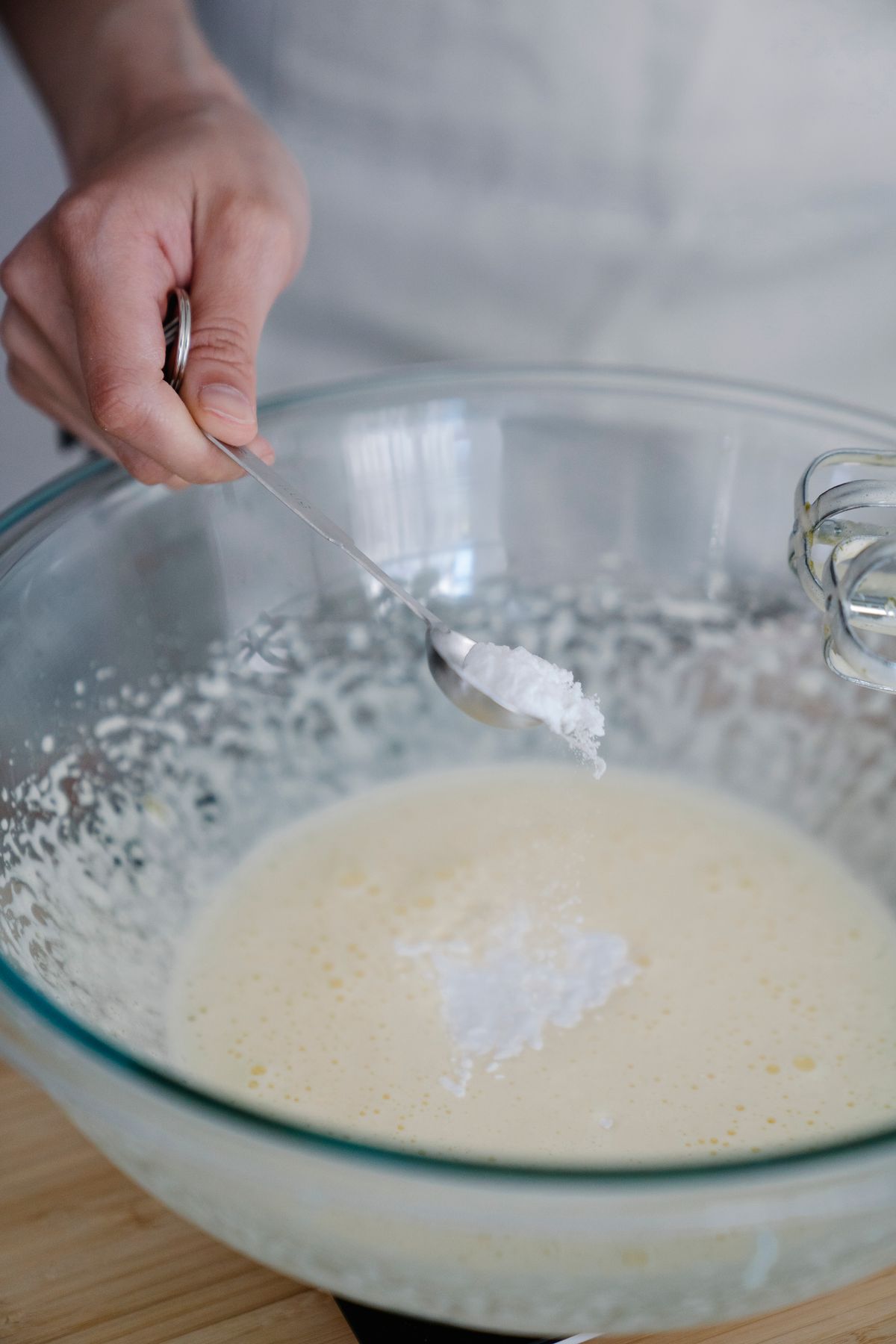
A recipe conversation works best when the person who knows the dish is doing something familiar. Ask them to use their own pan and their usual spoon. If they say “a little”, let them add it, then pause together to describe what that looked like. A level teaspoon may be what you need for a second attempt. “Enough to cover the bottom of the pan” may be more faithful.
Keep the cook’s name beside the recipe. If the name of the dish changes between French, Dutch and the language spoken at home, write down all the versions they use. They may remember which relative used which name. That detail belongs as much as the oven temperature.
Ask where the recipe changed
In her account for Together, Anna Jenkinson described researching What’s Cooking in Belgium: Recipes and Stories from a Food-loving Nation with Neil Evans. Jenkinson wrote the stories and Evans developed the recipes. Their sources ranged from chip stands to food museums. Hilde Oeyen styled the food and Diane Hendrikx photographed it. The work behind the finished pages was shared among people who noticed different things.
Use that division of attention at home. One person can cook, another can keep notes, and someone else can take a photograph when the cook says the dish looks right. Ask before taking or sharing pictures. A photograph of the surface of a sauce or the edge of a biscuit may teach a future cook more than a polished photograph of the whole table.
Try asking, “What did you use when you couldn’t get the usual ingredient?” The answer may explain why two branches of the same family make the dish differently. Record both versions. There is no need to choose a winner.
Test the instructions while the cook can answer
On another day, swap roles. Follow the notes as written and let the original cook watch. Where do you hesitate? Perhaps “mix well” meant folding twice. Perhaps the resting time was always the length of the walk to collect someone from school. Add the missing instruction in language the two of you recognise.
Finish with two short lines: whose version this is, and when you made it together. Leave room for the next cook to add a note. If you make the dish again for friends, a simple supper gives it an audience without turning it into a project. For Belgian food stories passed between generations, read about the Niels family’s Brussels table and the family business behind Centho chocolate.
Subscribe to the Together newsletter for more stories from Belgium.