






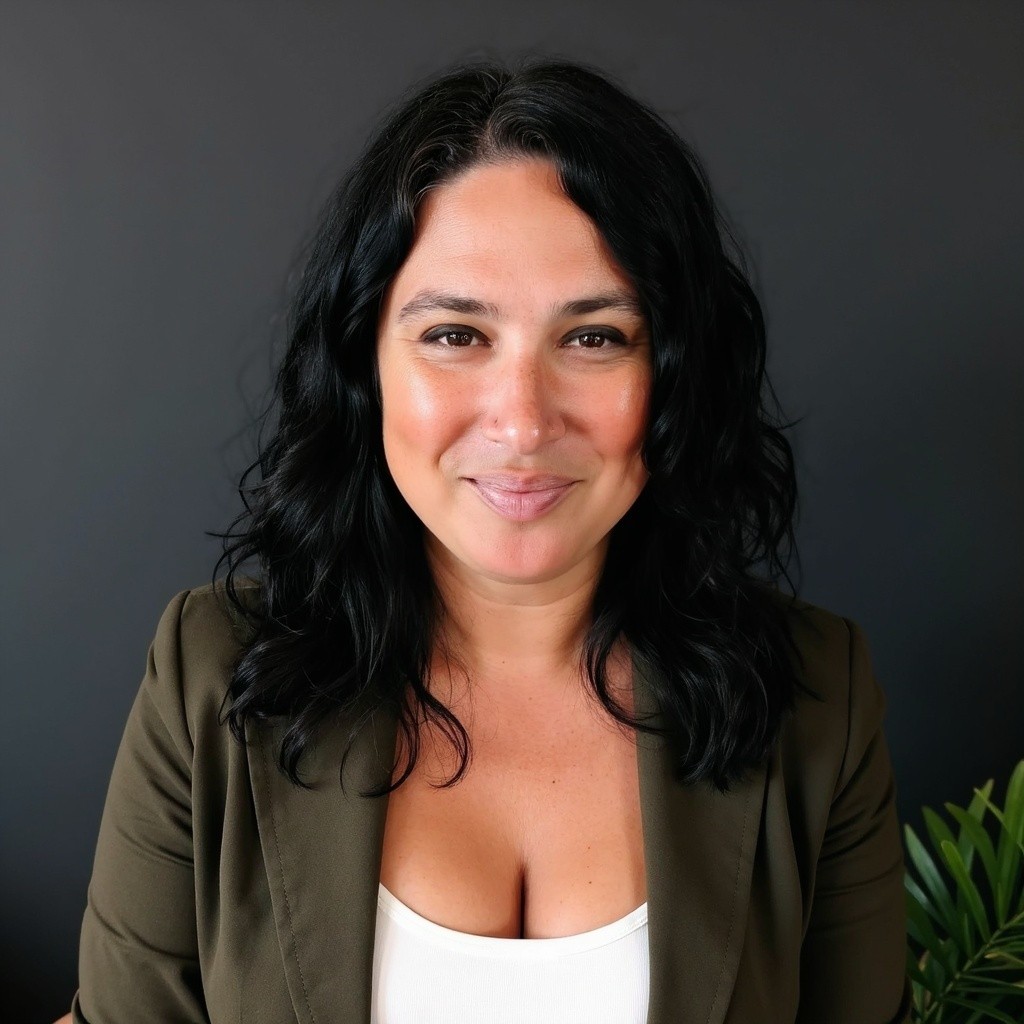
Dr Rachel Zaslow
It is late morning in a field outside Atiak, northern Uganda, and Achen’s head is pounding. She is seven months pregnant and has been working since daybreak. She totals up the cost of visiting a clinic: a day’s work lost, transport she cannot afford and children left unsupervised. On almost any other day, the cost would be too high.
But Achen has been receiving prenatal care through a mobile clinic. Her community health worker lives close by and comes to her, takes her blood pressure and sees that it is rising. A severe headache combined with high blood pressure can signal pre-eclampsia. She contacts the midwife overseeing Achen’s care, who arranges transport. By nightfall, Achen is being monitored and treated by a registered midwife.
The blood-pressure monitor was important in Achen’s diagnosis, but the system around it saved her life: the community health worker who eliminated barriers to care by coming to her, and the collaborating midwife overseeing her care.
That distinction should inform how the EU approaches global health. In her State of the Union address last week, European Commission President Ursula von der Leyen spoke about the potential for artificial intelligence to support doctors rather than replace them. It is an important principle, and one with implications well beyond EU borders.
That same principle is being put into practice in New York this week. At an EU-hosted UNGA event, the Commission announced €60 million to strengthen primary healthcare in Ethiopia through investment in facilities, skills, digital services and supply chains. WHO Director-General Tedros offered a simple test: whether health workers have the “supplies, support and systems” to provide care.
Midwifery is also firmly on the UNGA agenda. Sweden, Bangladesh and United Nations Population Fund (UNFPA) have highlighted Bangladesh’s commitment to create 25,000 professional midwifery posts, while Sweden is backing UNFPA’s Midwifery Accelerator with SEK 60 million, aimed at strengthening the global midwifery workforce. It is a reminder that innovation in maternal health cannot mean technology alone. It must also mean investing in the people and systems that make technology useful
The EU has committed to the global target of reducing maternal mortality to fewer than 70 deaths per 100,000 live births by 2030. But the world remains far from that goal. Midwives are evidenced to reduce the majority of unnecessary deaths in childbirth and yet the world is short of nearly 980,000 to meet that goal. In many of the places where maternal and newborn mortality is highest, the problem is not that health workers lack artificial intelligence or technology. It is that there are too few skilled health workers and midwives.
And those who are there often work without the systems, training, equipment, mentorship, transport and referral networks they need.
Technological innovation, much of it being developed in Europe, can help. Portable ultrasound, better fetal monitoring and AI-assisted diagnostics have the potential to put information into the hands of frontline health workers that once required a specialist or a trip to a distant hospital. But they won’t close the gap.
Midwives and community health workers build relationships with women under their care. They recognise that something has changed since a woman’s last visit because they kept that record.
A proper midwife-led system ensures transport is arranged, medication is administered, labour is managed and someone makes the judgement that a woman needs urgent referral. Global efforts have long focused heavily on getting women into facilities and increasing skilled birth attendance.
Both are important, but putting a midwife, or an ultrasound machine, inside a building does not automatically create good maternity care.
This is the thinking behind the Quality Maternal and Newborn Care framework published in The Lancet’s 2014 Series on Midwifery. It helped establish something that should now be shaping global health investment: outcomes depend on a whole system of care arranged around the needs of women. In 2024, the World Health Organization called on countries to transition towards Midwifery Models of Care. In these systems, midwives coordinate continuous, person-centred care throughout pregnancy, childbirth and the postnatal period. WHO followed that call with detailed implementation guidance in 2025.
Yet the transition has barely begun. In a modelling study published last year, WHO reports that universal access to skilled midwives could prevent more than 60% of maternal and newborn deaths and stillbirths, potentially saving 4.3 million lives each year by 2035.
That makes the dramatic decrease in development assistance particularly consequential. The question is not simply how much the EU spends on health, but what kind of health systems its investments leave behind. If the EU wants its global-health investments to build resilience and greater health sovereignty, then strengthening national midwifery workforces should be central to that strategy: educating more midwives in the model, improving working conditions and retention, strengthening community-based care and ensuring that midwives have the tools, autonomy and referral systems necessary to do their jobs.
Ursula von der Leyen and Jozef Síkela, need to know that investment in new technology must be matched by investment in the workforce and systems that allow it to save lives.
In rural areas Midwives connected to community health workers can reach women earlier. Give a midwife a robust referral route and specialist backup, and information from devices contributes to that treatment
Achen ultimately gave birth prematurely, but she was already in the right clinical setting when it happened. She survived, as did her baby.
Not because her blood-pressure monitor was revolutionary, but because it was in the right hands in a functioning system. That is what the EU should back as it enters a new era of health innovation: the people and the systems that let a reading taken in a field in rural Uganda end with a mother and baby who survive.
* Dr Rachel Zaslow is a midwife and Executive Director of Mother Health International, which trains and equips midwives in the midwifery model of care in East Africa.