




For many of us, life follows a familiar rhythm. We wake up at home, travel to work, return home in the evening and repeat the cycle the next day. Technology has made this pattern even more pronounced. Groceries arrive at our door, meetings happen online, films stream directly into our living rooms and friendships are increasingly maintained through messages rather than face-to-face conversations.
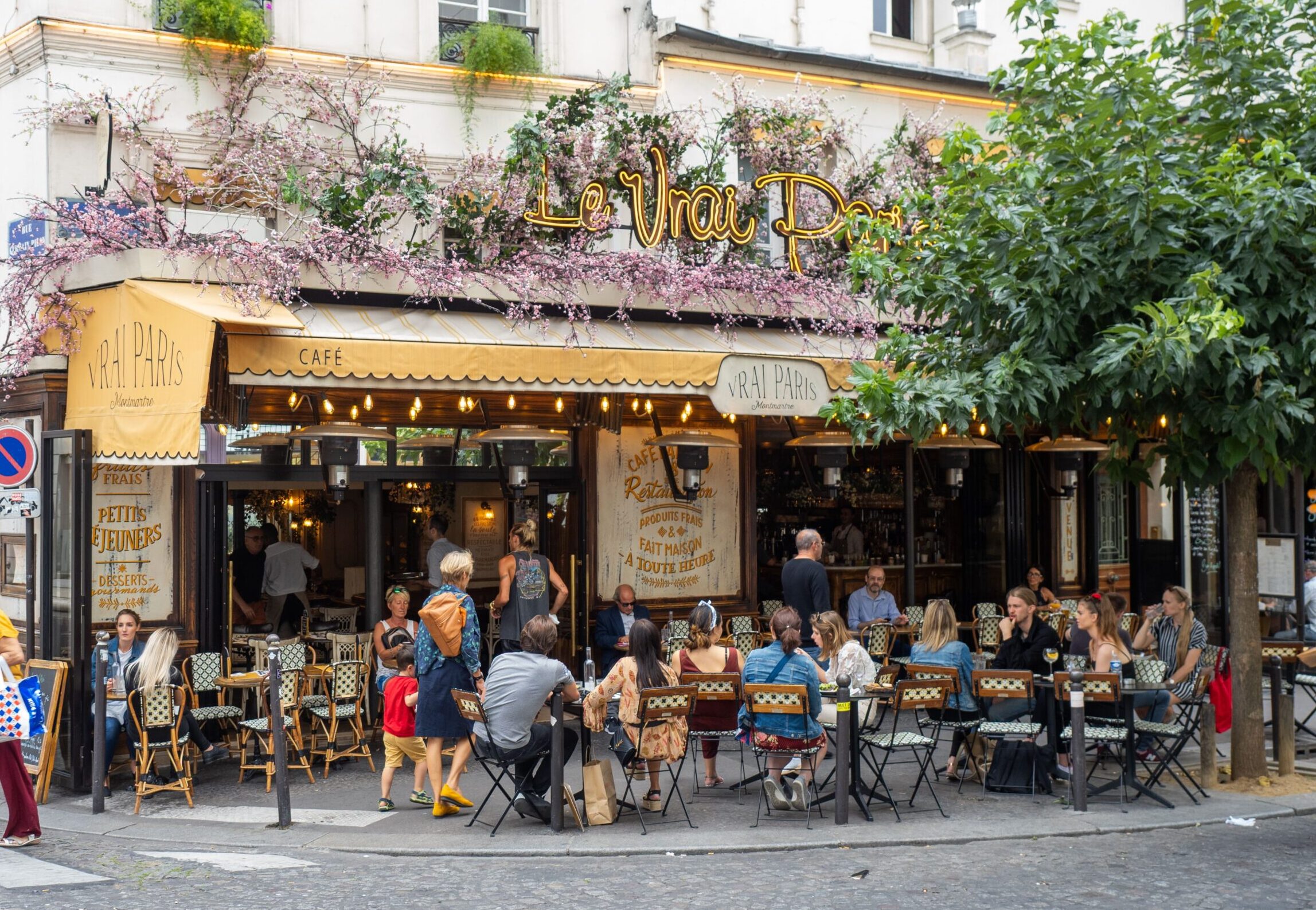
While these conveniences have made life easier in many ways, they have also quietly reduced something that once played an important role in everyday life: the spaces where people gathered simply because they enjoyed being there. Sociologists refer to these spaces as third places; the places we visit outside our home and workplace where community naturally develops. They include cafés, libraries, parks, museums, bookshops, neighbourhood pubs and community centres. Although we rarely think about them, these environments may have a greater influence on our wellbeing than we realise.
What Exactly Is a Third Place?
The term third place was introduced by American sociologist Ray Oldenburg, who argued that healthy communities depend on more than just homes and workplaces. First places are where we live. Second places are where we work or study. Third places are the informal spaces in between, where people meet voluntarily, exchange ideas and build relationships without the pressures of work or family responsibilities.
Unlike formal meetings or organised events, third places encourage spontaneous interaction. A conversation with a regular customer at a neighbourhood café, an afternoon spent browsing an independent bookshop or an evening attending a museum lecture may seem ordinary, yet these small moments create the social fabric of a community. They foster familiarity, belonging and trust in ways that are difficult to replicate online.
Today, however, many people have fewer third places than previous generations. Remote work, online shopping and digital entertainment have changed how we spend our free time, often leaving us with fewer opportunities for casual social connection.
Why They Matter More Than Ever
Loneliness has become a growing public health concern across many countries, despite people being more digitally connected than ever before. Research consistently shows that meaningful social relationships contribute to better mental health, lower stress levels and even improved physical health. While family and close friends remain important, casual interactions with neighbours, baristas, booksellers or fellow visitors at cultural events also play a surprisingly valuable role in creating a sense of belonging.
Third places provide opportunities for these interactions without requiring a formal invitation. They allow us to become part of a community simply by showing up. Over time, familiar faces become acquaintances, acquaintances become friends and neighbourhoods begin to feel more personal.
This is particularly important in large cities, where thousands of people may live side by side without ever speaking to one another. Third places help transform anonymous urban spaces into communities.
Brussels Offers More Third Places Than You Might Think
One of Brussels’ greatest strengths is the variety of spaces that naturally bring people together. Independent cafés encourage long conversations over coffee rather than rushed visits. Bookshops such as Passa Porta welcome readers for literary events, author talks and quiet afternoons spent discovering new books. Museums including Bozar, the Royal Museums of Fine Arts of Belgium and Villa Empain regularly host exhibitions, lectures and cultural evenings that attract visitors from across the city.
Public parks also play an important role. On a sunny afternoon, places such as Parc du Cinquantenaire, Bois de la Cambre and Parc de Bruxelles become informal gathering spaces where families picnic, friends meet after work and strangers share the same public space without expectation or obligation. These environments encourage the kind of relaxed interaction that has become increasingly rare in a fast-paced digital world.
The value of these places lies not only in what they offer, but in the opportunities they create for people to spend time together without needing a specific reason.
The Digital World Cannot Replace Them
Social media has made it easier than ever to stay in touch with people across the world, but it cannot fully replace the experience of sharing physical space. A conversation in a café carries a different rhythm from a video call. Browsing a bookshop encourages unexpected discoveries that algorithms rarely provide. Visiting a museum with friends often sparks conversations that continue long after the exhibition has ended.
Digital platforms tend to connect us with people who already share our interests or opinions. Third places expose us to a broader cross-section of society. They introduce chance encounters, new perspectives and conversations that would never have been planned. These moments may seem insignificant at the time, but they often become some of the most memorable parts of everyday life.
In many ways, third places remind us that community cannot be downloaded. It is built gradually through repeated, ordinary interactions.
Finding Your Own Third Place
Not everyone needs the same kind of third place. For one person, it may be a neighbourhood café where staff recognise them by name. For another, it could be a local gym, a community garden, a library or a weekly art class. The location itself matters less than the sense of familiarity and belonging it creates.
The key is to choose somewhere that encourages regular visits rather than occasional outings. Community develops through repetition. The more often we return to the same places, the more likely we are to build meaningful connections with the people around us.
In a world where efficiency often takes priority, it can feel unnecessary to spend an afternoon browsing a bookshop or lingering over a coffee. Yet these moments are rarely wasted. They contribute to a richer, more connected life in ways that are difficult to measure but easy to feel.
A Small Change That Makes a Big Difference
Personal development often focuses on changing ourselves through better habits, greater discipline or increased productivity. Those goals certainly have value, but sometimes improving our lives begins not with working harder, but with changing where we spend our time.
Visiting a museum once a month, reading in a local café, joining a neighbourhood book club or becoming a regular at a nearby park may seem like small decisions. Over time, however, these choices can strengthen our sense of community, improve our wellbeing and create opportunities for friendships that would otherwise never exist.
Perhaps that is why third places matter so much. They remind us that a fulfilling life is not built solely at home or at work. It is also built in the spaces in between, where conversations begin unexpectedly, ideas are exchanged freely and communities quietly come to life.
Key Takeaways
- Third places are social spaces outside the home and workplace where communities naturally form.
- They can improve wellbeing by encouraging connection, conversation and a sense of belonging.
- Brussels offers many excellent third places, including cafés, museums, parks and independent bookshops.
- Digital communication complements—but cannot replace—face-to-face interaction.
- Visiting the same local spaces regularly helps build stronger community ties.
- Sometimes the smallest changes to where we spend our time can have the biggest impact on our quality of life.
Further Reading
Why Independent Bookshops Still Matter in a Digital World
Discover why physical bookshops continue to thrive in an age of online shopping and what they offer that algorithms never can.
Stay Connected
Subscribe to the Together Magazine newsletter for thoughtful articles on culture, lifestyle, travel and wellbeing. You’ll also receive our latest recommendations for museums, exhibitions, restaurants, festivals and hidden gems across Brussels and Belgium, delivered straight to your inbox.