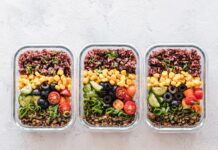










Adapted from Isabelle Maes’s nutrition feature in Together Magazine T138.
A healthy breakfast does not have to be elaborate. A bowl, a slice of bread or a few ingredients from the fridge can make a satisfying meal when the parts work well together.
In Together’s T138 nutrition feature, Isabelle Maes encourages a practical approach: think about protein, fibre and good-quality fats, rather than pursuing an identical “perfect” breakfast every morning.
The starting point is your own routine and appetite. If you are hungry, give the meal enough substance to feel like breakfast, rather than trying to make do with something that leaves you searching for more almost immediately.
Start with a source of protein
Eggs, plain yoghurt, skyr, fromage blanc and tofu are among the possibilities. You do not need to use all of them, or turn the meal into a calculation. Choose a food you enjoy and build around it.
That might mean yoghurt alongside oats, eggs with toast or tofu as part of a savoury plate. The point is to give the meal a clear foundation instead of leaving protein out by default.
Make room for fibre
Wholegrain bread, oats, fruit and vegetables offer ways to add variety and fibre. If breakfast is usually white toast and a sweet spread, try changing one element before overhauling the entire morning.
Porridge is a straightforward option in colder weather. Plain yoghurt with oats and fruit can suit days when you prefer something cool. Choose a cereal or muesli with the label in mind, rather than assuming that every breakfast product offers the same balance.
The NHS recommends higher-fibre starches and a range of foods across the day. Breakfast is one opportunity to contribute to that pattern; it does not have to carry the responsibility for the whole diet.
Include fats without making the meal complicated
Nuts, seeds and a small amount of nut or seed butter can add flavour and texture. They are useful additions to a breakfast you already like, rather than a reason to buy a cupboard full of specialist ingredients.
Choose portions and ingredients that suit your preferences and needs. For allergies, dietary requirements or a medical condition, use advice appropriate to your situation.
Four breakfast ideas to keep in rotation
Try eggs with wholegrain bread and cooked tomatoes or mushrooms. For a dairy-based option, combine plain yoghurt or skyr with oats, fruit and a few nuts or seeds.
Porridge can be made with milk or an appropriate fortified alternative, with a source of protein alongside if needed. A very simple savoury breakfast might be wholegrain bread, cheese and a little fruit or vegetables.
These are meal ideas, not prescribed recipes. Change them with your appetite, what is available and the amount of time you have.
A breakfast that fits real life
If every morning is rushed, make the easy option more useful: put a bowl and oats within reach, keep a suitable topping available or decide what will go on the toast before the kettle boils.
There is room for pleasure as well as balance. Breakfast can include foods you enjoy without requiring a promise of perfect energy, weight loss or concentration. The useful question is whether the meal suits you and contributes to a varied way of eating.
Photo: Pexels.
Read more
Get more culture, lifestyle and inspiration: subscribe to the Together newsletter.