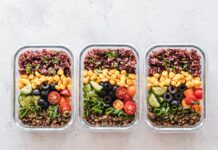




Protein has escaped the weights room. It is now added to yoghurts, cereals, puddings, bars and even water. But how much do we really need, and is eating more always better?
Walk through almost any supermarket today and you could be forgiven for thinking we are suffering from a collective protein shortage. Ordinary yoghurt has become high-protein yoghurt. Breakfast cereals advertise their protein content. There are protein bars, shakes, puddings, pancakes and snacks promising 15, 20 or 30 grams at a time.
The obsession is understandable. Protein is essential. Your body needs it to build and repair tissues, and its amino acids are involved in everything from muscle proteins to enzymes and hormones.
But “protein is important” and “the more protein you eat, the better” are not the same statement.
How much you actually need depends on your body size, age, activity level, goals and health. For many people, the answer is considerably less dramatic than social media would suggest.
How much protein do you actually need?
For healthy European adults, the European Food Safety Authority sets a population reference intake of 0.83 grams of protein per kilogram of body weight per day.
That works out at roughly:
A 60kg adult: 50g per day
A 70kg adult: 58g per day
An 80kg adult: 66g per day
A 90kg adult: 75g per day
This is a population reference intake intended to meet the needs of almost all healthy adults. It should not be confused with the amount that is necessarily optimal for every goal.
Someone who rarely exercises and simply wants adequate nutrition is in a very different situation from somebody lifting weights four times a week, training for a marathon or trying to preserve muscle later in life.
That is where the numbers start to change.
If you exercise, you probably need more
Exercise creates an obvious reason to pay greater attention to protein.
For people regularly participating in exercise, sports-nutrition guidance commonly recommends approximately 1.4–2.0g of protein per kilogram of body weight per day, depending on the type and intensity of training.
For a 75kg person, that translates to approximately 105–150g per day.
But even within that range, more isn’t automatically better.
One influential meta-analysis examining protein supplementation alongside resistance training found that additional protein improved gains in muscle mass and strength. However, increases in fat-free mass appeared to level off at a total daily intake of around 1.6g/kg.
For a 75kg person, that is about 120g of protein per day.
This does not mean 1.6g/kg is a magic number that everyone who enters a gym must hit. Individual requirements vary, and resistance training itself remains the crucial stimulus for building muscle.
Protein helps provide the raw materials. It does not replace the training.
Do you need 30 grams at every meal?
Protein timing has become almost as complicated as protein intake itself. For years, gym culture revolved around the idea of an “anabolic window”: finish your workout and immediately consume protein or risk wasting your session.
The evidence is less dramatic. Your total protein intake across the day appears to matter considerably more than racing towards a protein shake within minutes of putting down the dumbbells.
That said, spreading protein reasonably across your meals makes sense, particularly if you are trying to maximise muscle protein synthesis.
For younger adults performing resistance training, research has suggested doses around 0.25g/kg per meal as a useful reference point. For a 75kg person, that is roughly 19g.
Older adults may benefit from somewhat larger servings. Research on ageing commonly discusses approximately 25–30g of high-quality protein per meal, although individual needs depend on body size, activity and overall intake.
The practical lesson is refreshingly simple: rather than eating very little protein all day and an enormous amount at dinner, include a meaningful source at several meals.
You do not need to organise your life around a stopwatch.
Protein becomes more important as you get older
One of the most compelling reasons to pay attention to protein has relatively little to do with bodybuilding. It is ageing.
As we grow older, maintaining muscle becomes increasingly important for strength, mobility and independence. Older muscle also tends to respond less strongly to the same amount of protein—a phenomenon often described as anabolic resistance.
For this reason, several expert groups recommend more than the standard minimum for older adults.
The PROT-AGE Study Group and European experts have recommended around 1.0–1.2g/kg per day for healthy adults over 65, with potentially higher amounts for some people who are physically active, malnourished or dealing with illness.
There are important exceptions. People with certain kidney conditions, for example, may be advised to restrict protein and should follow individual medical guidance.
For healthy ageing, however, the bigger nutritional problem may sometimes be getting too little protein rather than too much.
Do you need protein shakes?
For most people, no. That doesn’t mean protein powder is useless.
A protein shake is simply a convenient way to consume protein. If you train regularly, have a high requirement, struggle to fit enough protein into meals or need something quick after exercise, a shake can make meeting your target easier.
But it has no unique muscle-building power that ordinary food lacks. Eggs, Greek yoghurt, fish, poultry, dairy products, tofu, tempeh, beans, lentils and other foods can all contribute towards your daily intake while providing other nutrients at the same time.
Someone who already eats sufficient protein will not automatically build more muscle simply because they add a shake. Think of protein powder as convenience rather than necessity.
Does plant protein count?
Absolutely. The idea that protein must come predominantly from meat, eggs or dairy is outdated. Beans, lentils, chickpeas, tofu, tempeh, soy products, nuts, seeds and grains all contribute protein.
There are differences in amino-acid composition and digestibility between protein sources. Some animal proteins contain higher proportions of particular essential amino acids and are highly digestible, while individual plant proteins may contain lower amounts of certain essential amino acids.
But people eating a varied diet do not need to obsessively “combine” specific plant proteins at every meal.
Eating a range of protein-rich plant foods throughout the day can provide the amino acids the body needs. Soy in particular is a high-quality plant protein, while combinations that naturally occur in ordinary diets—such as grains and legumes—also complement one another.
For someone following a vegetarian or vegan diet, the useful question is not whether plant protein “counts”. It does.
The question is whether the overall diet provides enough protein, energy and variety.
Can eating more protein help you lose weight?
Protein can be useful during weight loss, but it is not a fat-burning nutrient in the way some marketing suggests.
Higher-protein diets can increase satiety for some people, potentially making it easier to eat fewer calories. Adequate protein is also valuable when losing weight because it can help preserve lean mass, particularly when combined with resistance training.
But calories still matter. Adding two protein shakes to an already sufficient diet does not create weight loss simply because the calories happen to come from protein.
There is also a wider nutritional point. A diet can be high in protein and still be poor in vegetables, fruit, whole grains and fibre. Protein content alone does not tell you whether a diet is healthy.
Can you eat too much protein?
For healthy adults, evidence does not support the common claim that moderately high protein intake automatically damages healthy kidneys.
Systematic reviews of trials in people without chronic kidney disease have generally not found evidence of kidney damage from higher-protein diets over the periods studied. A new 2026 systematic review similarly found no consistent biochemical evidence of renal injury in adults without chronic kidney disease.
There is, however, an important caveat: many trials have been relatively short.
High-protein diets can increase kidney filtration, and researchers still caution that the long-term implications of very high intakes are not completely settled.
More importantly, advice is different for people who already have kidney disease or certain other medical conditions. In those cases, protein intake may need to be individually managed with a doctor or dietitian.
For everybody else, there is little reason to treat protein as dangerous—but equally little reason to assume enormous quantities must be beneficial.
More isn’t always better
Perhaps the biggest misconception surrounding protein is that every additional gram produces an additional benefit.
It doesn’t. Once your body has enough protein to support its requirements and goals, continually increasing intake is unlikely to transform your results. At some point, that extra protein is simply contributing additional energy to the diet.
And focusing too heavily on a single nutrient can distort the bigger picture.
Someone eating chicken breasts, protein bars, shakes and high-protein puddings all day might comfortably hit an impressive protein target while falling short on fibre, fruit, vegetables or dietary variety.
Nutrition does not become healthy simply because the word “protein” is printed in large letters on the packaging.
So how much protein should you eat?
For a healthy adult who isn’t particularly active, the European reference intake of around 0.83g/kg per day is a sensible starting point.
If you exercise regularly, particularly if you do resistance training, your needs are likely to be higher. Depending on your training and goals, somewhere within approximately 1.4–2.0g/kg per day is commonly recommended in sports nutrition, with research suggesting that around 1.6g/kg may be enough to maximise muscle gains for many people doing resistance training.
And as you get older, maintaining adequate protein becomes increasingly important. Healthy adults over 65 are often advised to aim closer to 1.0–1.2g/kg per day, alongside regular physical activity and resistance exercise.
None of these numbers needs to become an obsession.
For most people, the best approach is much less exciting than the protein industry’s marketing: eat a varied diet, include a decent protein source at several meals, adjust your intake if you train seriously or have particular needs, and don’t assume a food is automatically healthy because somebody has added 20 grams of protein to it.
Protein matters. You probably just don’t need it in everything.
How Much Protein Do You Actually Need?
Protein has escaped the weights room. It is now added to yoghurts, cereals, puddings, bars and even water. But how much do we really need, and is eating more always better?
Walk through almost any supermarket today and you could be forgiven for thinking we are suffering from a collective protein shortage. Ordinary yoghurt has become high-protein yoghurt. Breakfast cereals advertise their protein content. There are protein bars, shakes, puddings, pancakes and snacks promising 15, 20 or 30 grams at a time.
The obsession is understandable. Protein is essential. Your body needs it to build and repair tissues, and its amino acids are involved in everything from muscle proteins to enzymes and hormones.
But “protein is important” and “the more protein you eat, the better” are not the same statement.
How much you actually need depends on your body size, age, activity level, goals and health. For many people, the answer is considerably less dramatic than social media would suggest.
How much protein do you actually need?
For healthy European adults, the European Food Safety Authority sets a population reference intake of 0.83 grams of protein per kilogram of body weight per day.
That works out at roughly:
A 60kg adult: 50g per day
A 70kg adult: 58g per day
An 80kg adult: 66g per day
A 90kg adult: 75g per day
This is a population reference intake intended to meet the needs of almost all healthy adults. It should not be confused with the amount that is necessarily optimal for every goal.
Someone who rarely exercises and simply wants adequate nutrition is in a very different situation from somebody lifting weights four times a week, training for a marathon or trying to preserve muscle later in life.
That is where the numbers start to change.
If you exercise, you probably need more
Exercise creates an obvious reason to pay greater attention to protein.
For people regularly participating in exercise, sports-nutrition guidance commonly recommends approximately 1.4–2.0g of protein per kilogram of body weight per day, depending on the type and intensity of training.
For a 75kg person, that translates to approximately 105–150g per day.
But even within that range, more isn’t automatically better.
One influential meta-analysis examining protein supplementation alongside resistance training found that additional protein improved gains in muscle mass and strength. However, increases in fat-free mass appeared to level off at a total daily intake of around 1.6g/kg.
For a 75kg person, that is about 120g of protein per day.
This does not mean 1.6g/kg is a magic number that everyone who enters a gym must hit. Individual requirements vary, and resistance training itself remains the crucial stimulus for building muscle.
Protein helps provide the raw materials. It does not replace the training.
Do you need 30 grams at every meal?
Protein timing has become almost as complicated as protein intake itself. For years, gym culture revolved around the idea of an “anabolic window”: finish your workout and immediately consume protein or risk wasting your session.
The evidence is less dramatic. Your total protein intake across the day appears to matter considerably more than racing towards a protein shake within minutes of putting down the dumbbells.
That said, spreading protein reasonably across your meals makes sense, particularly if you are trying to maximise muscle protein synthesis.
For younger adults performing resistance training, research has suggested doses around 0.25g/kg per meal as a useful reference point. For a 75kg person, that is roughly 19g.
Older adults may benefit from somewhat larger servings. Research on ageing commonly discusses approximately 25–30g of high-quality protein per meal, although individual needs depend on body size, activity and overall intake.
The practical lesson is refreshingly simple: rather than eating very little protein all day and an enormous amount at dinner, include a meaningful source at several meals.
You do not need to organise your life around a stopwatch.
Protein becomes more important as you get older
One of the most compelling reasons to pay attention to protein has relatively little to do with bodybuilding. It is ageing.
As we grow older, maintaining muscle becomes increasingly important for strength, mobility and independence. Older muscle also tends to respond less strongly to the same amount of protein—a phenomenon often described as anabolic resistance.
For this reason, several expert groups recommend more than the standard minimum for older adults.
The PROT-AGE Study Group and European experts have recommended around 1.0–1.2g/kg per day for healthy adults over 65, with potentially higher amounts for some people who are physically active, malnourished or dealing with illness.
There are important exceptions. People with certain kidney conditions, for example, may be advised to restrict protein and should follow individual medical guidance.
For healthy ageing, however, the bigger nutritional problem may sometimes be getting too little protein rather than too much.
Do you need protein shakes?
For most people, no. That doesn’t mean protein powder is useless.
A protein shake is simply a convenient way to consume protein. If you train regularly, have a high requirement, struggle to fit enough protein into meals or need something quick after exercise, a shake can make meeting your target easier.
But it has no unique muscle-building power that ordinary food lacks.
Eggs, Greek yoghurt, fish, poultry, dairy products, tofu, tempeh, beans, lentils and other foods can all contribute towards your daily intake while providing other nutrients at the same time.
Someone who already eats sufficient protein will not automatically build more muscle simply because they add a shake. Think of protein powder as convenience rather than necessity.
Does plant protein count?
Absolutely. The idea that protein must come predominantly from meat, eggs or dairy is outdated. Beans, lentils, chickpeas, tofu, tempeh, soy products, nuts, seeds and grains all contribute protein.
There are differences in amino-acid composition and digestibility between protein sources. Some animal proteins contain higher proportions of particular essential amino acids and are highly digestible, while individual plant proteins may contain lower amounts of certain essential amino acids.
But people eating a varied diet do not need to obsessively “combine” specific plant proteins at every meal.
Eating a range of protein-rich plant foods throughout the day can provide the amino acids the body needs. Soy in particular is a high-quality plant protein, while combinations that naturally occur in ordinary diets—such as grains and legumes, also complement one another.
For someone following a vegetarian or vegan diet, the useful question is not whether plant protein “counts”. It does.
The question is whether the overall diet provides enough protein, energy and variety.
Can eating more protein help you lose weight?
Protein can be useful during weight loss, but it is not a fat-burning nutrient in the way some marketing suggests.
Higher-protein diets can increase satiety for some people, potentially making it easier to eat fewer calories. Adequate protein is also valuable when losing weight because it can help preserve lean mass, particularly when combined with resistance training.
But calories still matter. Adding two protein shakes to an already sufficient diet does not create weight loss simply because the calories happen to come from protein.
There is also a wider nutritional point. A diet can be high in protein and still be poor in vegetables, fruit, whole grains and fibre. Protein content alone does not tell you whether a diet is healthy.
Can you eat too much protein?
For healthy adults, evidence does not support the common claim that moderately high protein intake automatically damages healthy kidneys.
Systematic reviews of trials in people without chronic kidney disease have generally not found evidence of kidney damage from higher-protein diets over the periods studied. A new 2026 systematic review similarly found no consistent biochemical evidence of renal injury in adults without chronic kidney disease.
There is, however, an important caveat: many trials have been relatively short.
High-protein diets can increase kidney filtration, and researchers still caution that the long-term implications of very high intakes are not completely settled.
More importantly, advice is different for people who already have kidney disease or certain other medical conditions. In those cases, protein intake may need to be individually managed with a doctor or dietitian.
For everybody else, there is little reason to treat protein as dangerous, but equally little reason to assume enormous quantities must be beneficial.
More isn’t always better
Perhaps the biggest misconception surrounding protein is that every additional gram produces an additional benefit. It doesn’t.
Once your body has enough protein to support its requirements and goals, continually increasing intake is unlikely to transform your results. At some point, that extra protein is simply contributing additional energy to the diet.
And focusing too heavily on a single nutrient can distort the bigger picture.
Someone eating chicken breasts, protein bars, shakes and high-protein puddings all day might comfortably hit an impressive protein target while falling short on fibre, fruit, vegetables or dietary variety.
Nutrition does not become healthy simply because the word “protein” is printed in large letters on the packaging.
So how much protein should you eat?
For a healthy adult who isn’t particularly active, the European reference intake of around 0.83g/kg per day is a sensible starting point.
If you exercise regularly, particularly if you do resistance training, your needs are likely to be higher. Depending on your training and goals, somewhere within approximately 1.4–2.0g/kg per day is commonly recommended in sports nutrition, with research suggesting that around 1.6g/kg may be enough to maximise muscle gains for many people doing resistance training.
And as you get older, maintaining adequate protein becomes increasingly important. Healthy adults over 65 are often advised to aim closer to 1.0–1.2g/kg per day, alongside regular physical activity and resistance exercise.
None of these numbers needs to become an obsession.
For most people, the best approach is much less exciting than the protein industry’s marketing: eat a varied diet, include a decent protein source at several meals, adjust your intake if you train seriously or have particular needs, and don’t assume a food is automatically healthy because somebody has added 20 grams of protein to it.
Protein matters. You probably just don’t need it in everything.
Further Reading
How to Become Mentally Stronger
Stay Connected
Subscribe to the Together Magazine newsletter for thoughtful features, personal development insights, cultural recommendations, museum exhibitions, events in Brussels and Belgium, and the latest stories delivered directly to your inbox.