





If you’ve stepped inside a gym recently, you’ve probably heard people discussing creatine benefits, and not just the bodybuilders. From fitness enthusiasts to weekend runners and even those who barely exercise, many are wondering whether they should start taking creatine.
Once reserved for weightlifters and sprinters, creatine has become one of the world’s most popular supplements. It’s said to increase strength, boost brain power and even support healthy ageing. But does it live up to the hype, and should everyone be taking it?
What Is Creatine, Really?
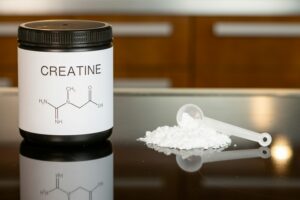
Creatine isn’t a drug and it isn’t artificial. It’s a natural compound your body produces every day from amino acids in the liver and kidneys. You’ll also find creatine in foods such as red meat and fish.
Most creatine is stored in your muscles, where it fuels ATP (adenosine triphosphate) , the body’s primary energy source. Whenever you sprint, lift something heavy or perform explosive movements, ATP powers your muscles. Creatine simply helps you regenerate more of it, faster.
This is one of the key creatine benefits athletes rely on: more available energy for short, intense bursts of effort, plus faster recovery between them.
The Proven Creatine Benefits
- Better Strength and Performance
Dozens of studies confirm that creatine reliably increases strength, power and muscle tone when combined with resistance training. It won’t transform your physique overnight, but it helps your body perform at its maximum potential.
- Faster Recovery
Creatine helps replenish depleted energy stores and reduces muscle damage. This means quicker recovery between workouts and a lower risk of cramps and post-training soreness.
- Brain Power and Mental Clarity
Few people realise that the brain is the second-largest user of ATP after muscle tissue. Research suggests that creatine may support mental clarity, memory and focus , especially during stress, fatigue or sleep deprivation. It is even being studied for neurological conditions.
- Healthy Ageing
Age-related muscle loss (sarcopenia) affects strength, balance and mobility. Combined with resistance training, creatine can help older adults maintain muscle mass and functional independence.
- Mood and Emotional Resilience
Early studies suggest that creatine may help stabilise mood by improving energy production in nerve cells. Some users report better motivation and reduced fatigue.
The Other Side of the Story
Like all supplements, creatine has considerations to keep in mind:
Water Retention
Creatine draws water into muscle cells. This can cause a temporary weight gain of 1–2 kilos, water, not fat , but it may feel uncomfortable at first.
Digestive Upset
Large doses at once can cause bloating or cramps. The solution: take smaller daily amounts with food.
Kidney Concerns
Creatine is safe for healthy people. Multiple studies show no damage to the kidneys. However, anyone with kidney conditions should consult a doctor before using it.
Caffeine Interaction
Some evidence suggests high caffeine intake may slightly reduce some creatine benefits. A morning coffee is fine , just avoid excessive amounts.
How to Take Creatine Safely
The best, most researched form is creatine monohydrate. It’s affordable, effective and safe.
Recommended dosage:
- 3–5 grams per day
No loading phase is required. Consistency matters more than quantity.
Take creatine with a meal or post-workout, and drink plenty of water since the body’s hydration needs increase slightly.
Should You Take It Every Day?
Yes, daily use provides the strongest creatine benefits.
Creatine works by saturating your muscle stores over time. Skipping days reduces its effectiveness. Most people begin to notice improvements after 2–3 weeks of consistent use.
Think of creatine like a nutrient , similar to protein or omega-3 , rather than a stimulant you take only on training days.
Do You Need to Take Breaks?
There is no scientific reason to cycle off creatine. Long-term studies show no harm to the liver, kidneys or heart in healthy individuals.
However, some people choose occasional breaks every few months for practical reasons:
- reassessing whether they still benefit
- allowing the body to regulate creatine naturally
- avoiding psychological dependency on supplements
A two-to-four-week break every three or four months is perfectly acceptable if you prefer cycling.
Final Verdict: Should You Take It?
Creatine is one of the most researched, effective and safe supplements in the world. Whether your goal is improved strength, better recovery, enhanced cognition or healthier ageing, the creatine benefits are well supported by science.
While it isn’t a magic powder, it can be a powerful tool , especially when paired with good nutrition, hydration and consistent training.
As with all supplements, the best approach is informed, balanced and tailored to your needs.